Your watch buzzes before you're even out of bed: last night's sleep score is a 71 out of 100. Most sleep trackers, whether it's a watch, a ring, or an app on your phone, boil the night down to a single number based on how long you slept, how often you woke up, and how restless you were. You feel fine, maybe even good, but now you're not so sure. Was it a bad night? Should you go to bed earlier? Is a 71 even bad?
Questions like these are a big reason so many people stop tracking altogether. When the number barely moves, or the changes you make don't seem to make a difference, it's easy to wonder what the point is. The team at Dick Cooper TV & Appliance keeps up with how people are using sleep tech, and the most useful answer usually has less to do with the score than with what you do next.
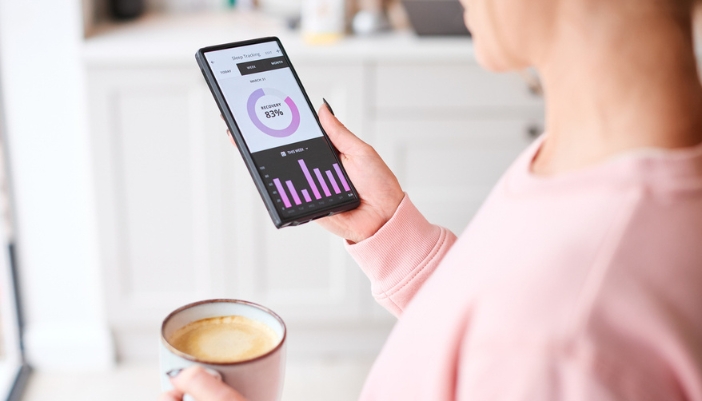
Why the Nightly Score Isn't the Point
Sleep tracking went mainstream fast, and for a while, checking that number every morning felt like progress.
Lately, though, plenty of people are easing off. Checking a score before you're out of bed can shape your mood for the whole day, even when your body feels rested. Some sleep researchers have even noticed that worrying over sleep data can make sleep worse.
The answer isn't tossing the tracker in a drawer. It's changing how you use it. One night's number is mostly noise. The real value shows up when you zoom out and look for patterns over a week or two.
The Three Numbers Worth Watching
Most sleep apps show you a dashboard packed with charts, scores, and sleep stages. You don't need all of it to make smart changes. These three numbers say the most about your habits, and they're easy to follow week to week.
- Bedtime and wake-up consistency: A steady schedule gives your body clock something to work with. If your bedtime swings by more than an hour from night to night, that's often a bigger deal than any single night's score.
- Time it takes to fall asleep: Drifting off within about 10 to 20 minutes is a common range for many people. Lying awake much longer on most nights can point to a wind-down, room, or schedule that isn't quite working.
- Wake-ups during the night: Most people wake briefly during the night, usually without remembering it. What matters is a pattern, like waking at the same hour most nights or tossing more than usual week after week.
Everything else on the dashboard can be interesting, but you don't need to act on it! Look at weekly averages instead of single nights, and if something in your data genuinely worries you, bring it up with your doctor.
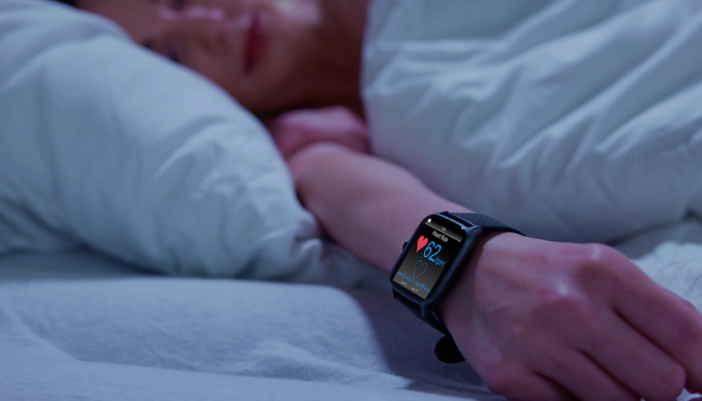
Run a Two-Week Sleep Experiment
Once you know which numbers matter, your sleep data becomes a tool instead of a report card. The simplest way to put it to work is a two-week experiment that tests one change at a time.
- Get a baseline: Look at your averages from the past week or two before you change anything. That's your starting point.
- Pick one change that fits the pattern: If it's taking a while to fall asleep, start winding down 30 minutes earlier. If you wake around the same time every night, check whether the room is getting too warm. If your schedule is all over the place, set one fixed wake-up time.
- Leave everything else alone for 14 days: No new gadgets or routines in the meantime. Keeping it to one change is the only way to know what made the difference.
- Compare, then keep or swap: If your weekly averages improved and you feel better, keep the change. If nothing moved, try a different one.
After a round or two, most people find they don't need to check the app every morning. The habit is doing the work, and the data is just confirming it.
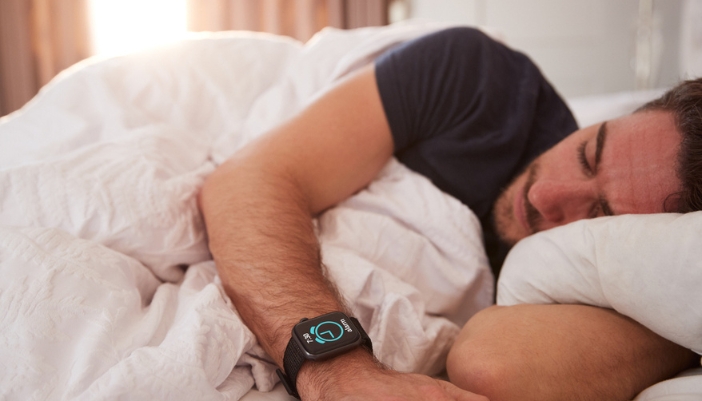
When the Data Points Back to Your Bed
Sometimes your sleep tracking keeps showing the same restless pattern, no matter which habit you adjust. When the schedule's steady and the room's cool but the wake-ups won't budge, it's worth looking at what you're sleeping on.
A few signs point toward the mattress:
- Restless nights that don't improve: Your wake-ups or restless stretches stay high even after your schedule and room are dialed in.
- Sore or stiff mornings: You often wake up achy, even on nights your tracker calls a good one.
- Better numbers away from home: Your scores jump when you sleep at a hotel or a friend's place.
- An older mattress: If yours is pushing seven to ten years, it may simply be past its best.
The next step is testing mattresses in person, lying in your real sleep position for several minutes at a time. Bring what you learned from your data, like "I wake up around 3 a.m. most nights" or "I toss a lot on my back." That kind of detail helps narrow down what to try.
Close the App, Keep the Lessons
You know what your numbers are actually good for now, and that's more than most dashboards will tell you. Try checking your averages once a week instead of every morning and letting your habits carry the rest. If your data keeps pointing back to your bed, stop in with your questions, or shop our mattresses, and the team at Dick Cooper TV & Appliance will help you find one that gives your weekly averages something to brag about.